Home › Modal vs Cotton
Fabric comparisonModal vs Cotton: Which Fabric Is Better?
Both come from plants, both breathe, both feel good. But they wear, wash and age very differently. Here’s a no-nonsense, side-by-side look so you know exactly which one to buy for what.
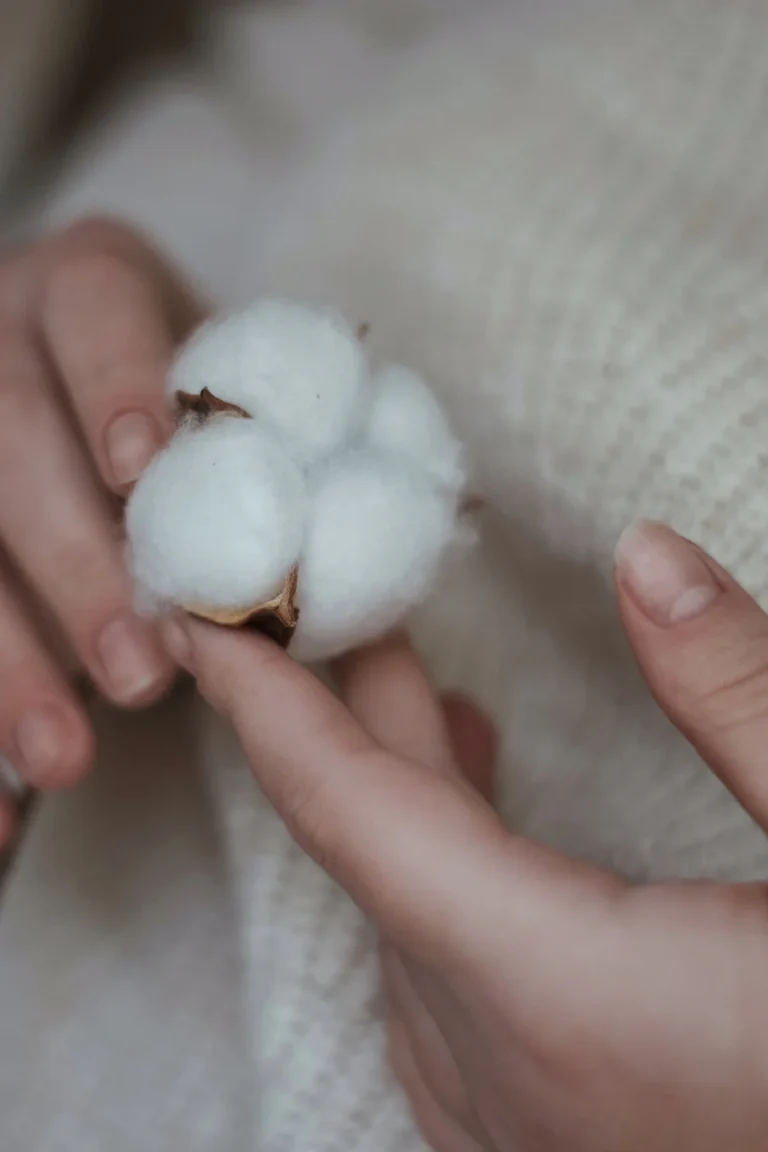
Choose modal if you want maximum softness, drape and moisture comfort, plus less shrinking and fading, for underwear, loungewear, sleepwear and sheets. Choose cotton if you want a tougher, cheaper, natural fiber that handles hot washes and ironing, for jeans, towels, work shirts and everyday basics. A cotton-modal blend gives you a bit of both.
Modal vs cotton at a glance
| Feature | Modal | Cotton |
|---|---|---|
| Fiber type | Semi-synthetic (beech cellulose) | Natural plant fiber |
| Softness | Silky, smooth, very soft | Soft but slightly textured |
| Drape | Fluid, clings and flows | Structured, holds shape |
| Moisture absorption | Very high | High |
| Breathability | High | High |
| Shrinkage | Low | Medium to high |
| Color retention | Excellent | Good, fades over time |
| Heat tolerance | Low (cool wash, low iron) | High (hot wash, hot iron) |
| Durability | Good, can stretch out | Very good, rugged |
| Price | Higher | Lower |
| Best for | Underwear, loungewear, sheets | Jeans, towels, tees, workwear |
Softness and feel
This is where modal wins clearly. Modal fibers are smooth and uniform, so the fabric feels silky and cool to the touch, a lot like a lighter, more casual silk. Cotton fibers are naturally twisted and slightly rough, which gives cotton its familiar “crisp” feel. Premium cottons like Pima and Supima get close to modal, but most everyday cotton is noticeably less soft.
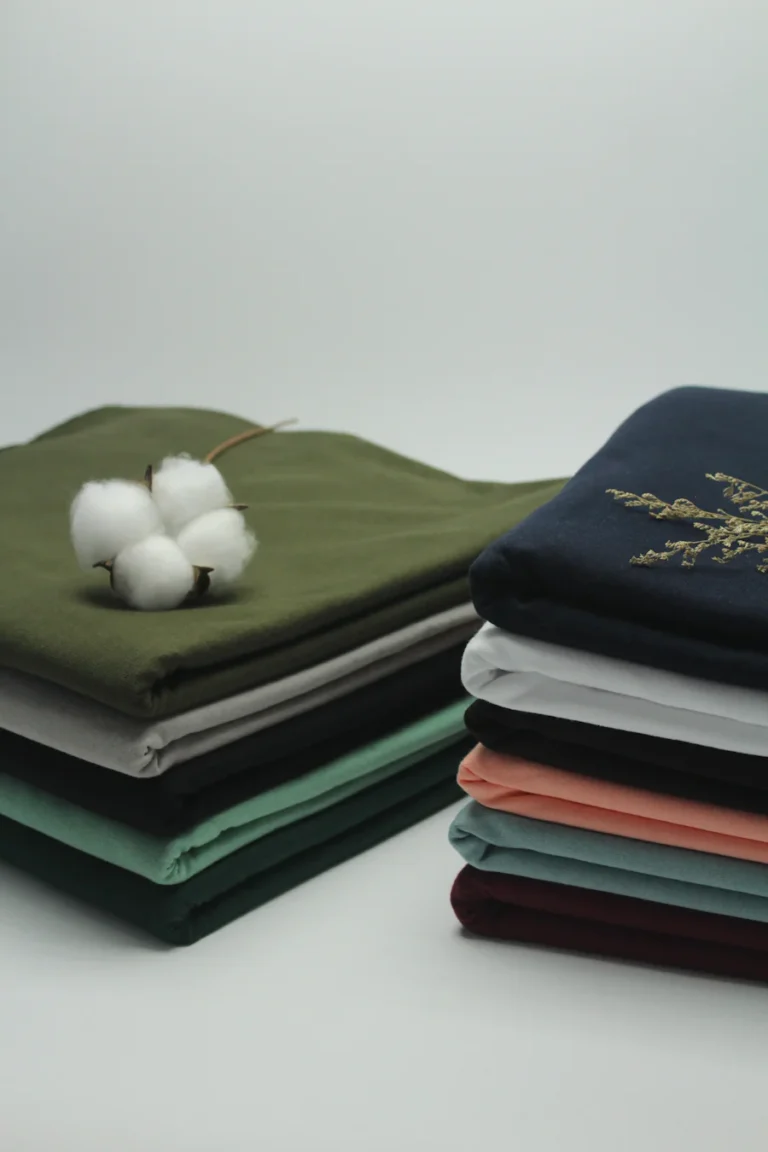
Modal also drapes more: it follows the body and moves when you move. That is great for T-shirts, dresses and sleepwear, but less ideal if you want a structured fit.
Breathability and moisture
Both fabrics breathe well. The difference is in how they handle moisture. Modal absorbs water readily and spreads it out, so it tends to feel less damp and clingy than cotton when you sweat lightly. Cotton absorbs a lot of moisture too, but it holds onto it and dries slowly, which is why a sweaty cotton T-shirt stays heavy and wet.
For hot weather, sleep and layering against the skin, modal generally feels more comfortable. For very heavy sweating, neither beats a dedicated moisture-wicking performance fabric.
Our honest take
If we could only own one fabric for sleep and lounging, it would be modal. For jeans, towels and the T-shirt you wear to help a friend move, cotton wins every time. Our closet is honestly about 50/50, and cotton-modal blends are our favorite everyday tees.
Durability and shrinkage
Cotton is the tougher fiber overall. It handles hot water, high dryer heat and hot irons, and gets stronger when wet. Modal is designed to be strong for a rayon and holds up well in normal washing, but it does not like heat and can stretch or lose shape over time, especially in thin jersey knits.
On shrinkage and fading, modal comes out ahead. Thanks to how its fibers are stretched during production, modal shrinks very little, and it holds dye deeply so colors stay bright for longer. Cotton can shrink noticeably, especially on the first few hot washes, and its color fades more quickly.
Sustainability: is modal better for the planet?
- Water: conventional cotton is a thirsty crop that often relies on irrigation. Beech trees used for modal typically grow on rainfall, so modal usually has a much smaller water footprint.
- Land and pesticides: cotton farming can be pesticide-heavy unless it is organic. Beech forests need far less intervention.
- Chemicals: here cotton wins. Turning wood into modal requires caustic soda and carbon disulfide, which must be captured to avoid pollution.
- End of life: both pure modal and pure cotton are biodegradable.
The most responsible options are organic cotton and branded modal from closed-loop producers like Lenzing. Generic modal from unknown factories is harder to judge. Read more in Is modal fabric toxic?
Price and value
Modal costs more than standard cotton to produce, so modal garments are usually priced higher. In return you get softness, low shrinkage and color that lasts. For underwear, bras, pajamas and sheets, many people find modal worth the premium. For jeans, towels and heavy-use basics, cotton is still the better value.
What about cotton-modal blends?
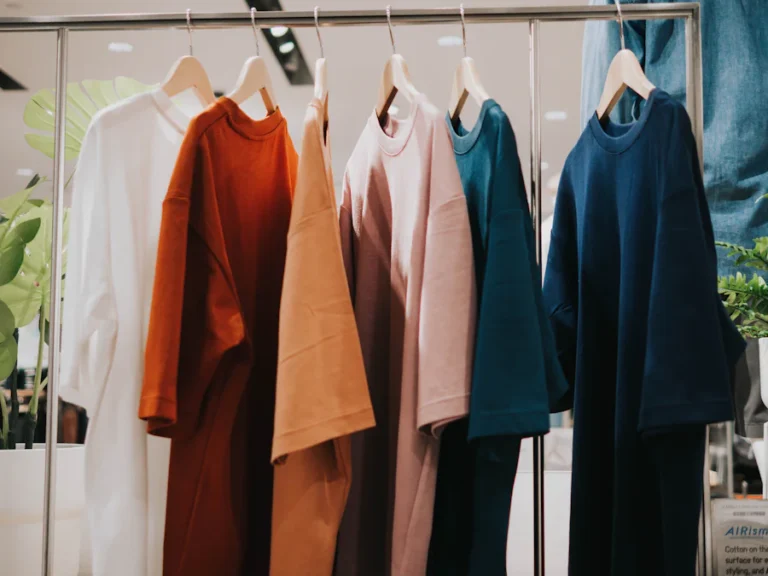
Blends like 50/50 or 60/40 cotton-modal are popular for T-shirts and sheets because they combine the strength and structure of cotton with the softness and drape of modal. They are typically more affordable than 100% modal, shrink less than 100% cotton, and are easy to care for. If you are unsure which fabric to pick, a cotton-modal blend is a safe middle ground.
Modal vs polyester, lyocell, bamboo and viscose
Modal vs polyester
Polyester is a plastic made from petroleum. It is very durable, dries fast and resists wrinkles, but it is far less breathable, can hold odors and sheds microplastics. Modal is softer, more breathable and plant-based, while polyester is cheaper and tougher.
Modal vs lyocell (TENCEL™)
Lyocell and modal are cousins, both made from wood cellulose. Lyocell uses a closed-loop solvent process that is cleaner than modal’s viscose-type process, and it is a little stronger. Modal is usually softer and more stretchy. Both feel great; lyocell has the edge on eco-credentials.
Modal vs bamboo
Most “bamboo” fabric is actually bamboo viscose: bamboo pulp turned into rayon with a process very similar to modal. The feel is comparable, but modal tends to be more consistent in quality and is backed by traceable fiber brands, while bamboo labels can be misleading.
Modal vs viscose rayon
Modal is essentially an upgraded viscose. It is stronger when wet, shrinks and pills less, and holds its shape better, which is why modal garments usually last longer than plain viscose ones.
Keep reading
More honest answers about modal fabric.
What Is Modal Fabric?
What modal is made of, how it’s made, and its full pros and cons.
Read the guide →
Is Modal Fabric Toxic?
Is modal safe for your skin, is it plastic, and what to look for.
Check safety →
Micromodal Fabric
The ultra-fine version of modal behind premium underwear.
Learn more →Modal vs cotton FAQs
Is modal softer than cotton?
Yes. Modal fibers are smoother and more uniform than cotton, so modal feels silkier and softer. Only premium long-staple cottons come close.
Is modal more breathable than cotton?
Both are breathable. Modal handles moisture better, so it often feels drier and cooler against the skin, especially for sleep and warm weather.
Does modal last longer than cotton?
Modal keeps its color and size better, but cotton is more rugged overall. Washed cool and dried gently, modal lasts a long time.
Is modal or cotton better for underwear?
Many people prefer modal for underwear because it is softer, absorbs moisture well and does not shrink. Cotton is a good, budget-friendly and breathable alternative.
Is modal better than polyester?
Modal is softer, more breathable and made from plants, while polyester is a plastic that is cheaper and more durable. For comfort next to the skin, modal is usually better.
Is modal the same as bamboo fabric?
No, but they are similar. Most bamboo fabric is bamboo viscose, made with a process close to modal. Modal is made from beech trees instead of bamboo.