Home › Micromodal Fabric
Fabric guideMicro Modal Fabric: What It Is & Why It Feels So Soft
Ever tried on underwear or a loungewear set that felt almost weightless? That’s usually micromodal. Here’s what makes it different from regular modal, and whether it’s worth the extra money.

Micro modal (micromodal) fabric is made from modal fibers that are spun much finer than standard modal, roughly 1 decitex or less versus about 1.3 for regular modal. More, thinner fibers per yarn make the fabric lighter, smoother, silkier and more breathable. Like modal, it comes from beech tree cellulose. The best-known version is Lenzing’s Micromodal, sold today under the TENCEL™ brand.
What is micromodal fabric?
Micromodal is a microfiber version of modal. The fiber is chemically identical to regular modal: regenerated cellulose made from beech wood. The only difference is thickness. Micromodal fibers are spun so fine that a single fiber is thinner than a strand of silk, and many more of them are packed into each yarn.
That extra-fine construction is what gives micromodal its signature feel: incredibly smooth, light, cool and fluid, with a subtle sheen. You will see it written as “micro modal,” “micromodal,” “Lenzing Micromodal” or “TENCEL™ Micromodal” on labels.
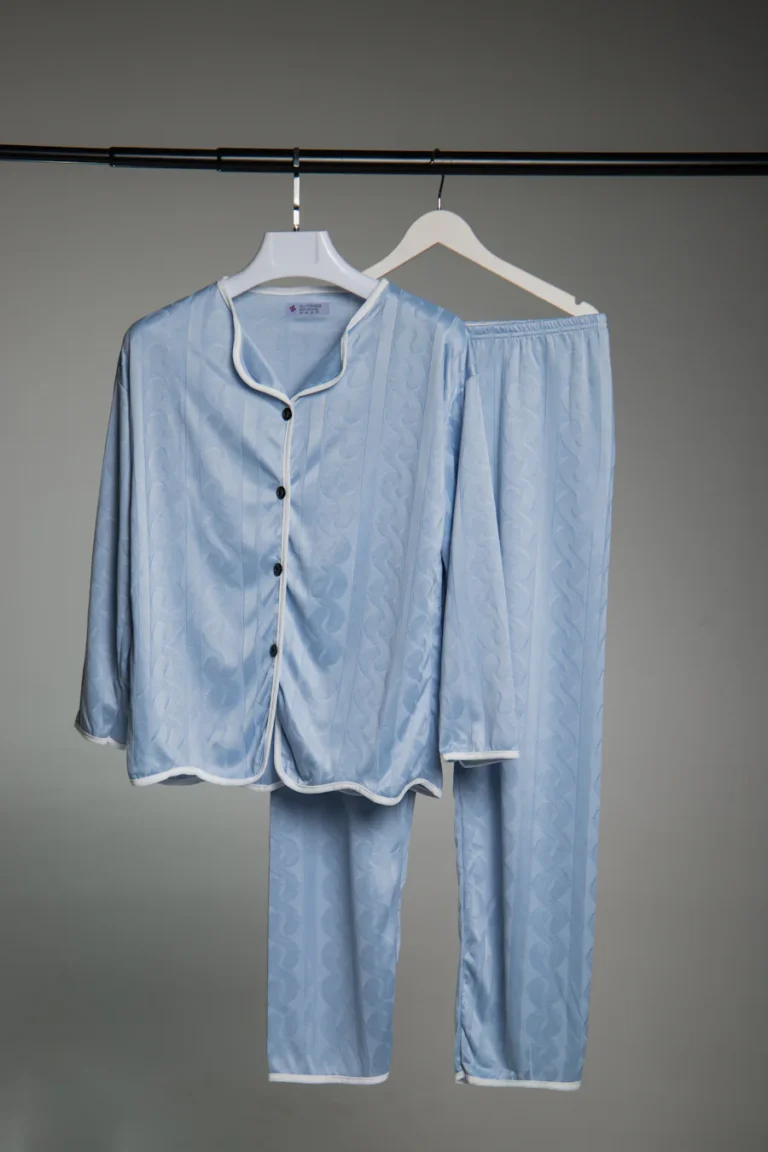
What is micro modal fabric made of?
Micromodal is made of cellulose from beech trees, exactly like regular modal. The wood is pulped, dissolved and spun into fibers through the same modified viscose process; the spinnerets simply produce much finer filaments, and the fibers are stretched to keep them strong. Micromodal fabrics are often blended with a small amount of elastane (spandex) for stretch and recovery, particularly in underwear and bras.
Micromodal vs modal: what is the difference?
| Feature | Micromodal | Regular modal |
|---|---|---|
| Raw material | Beech cellulose | Beech cellulose |
| Fiber fineness | About 1 dtex or finer | About 1.3 dtex |
| Feel | Ultra-silky, very light | Silky, soft |
| Weight | Lighter, thinner fabrics | Light to medium |
| Breathability | Very high | High |
| Durability | Delicate, needs gentle care | A little more robust |
| Price | Higher | Moderate |
| Typical uses | Underwear, bras, lingerie, premium loungewear | T-shirts, pajamas, sheets, blends |
Benefits of micromodal
- Exceptional softness: finer fibers mean a smoother surface and a silk-like hand feel.
- Lightweight comfort: garments feel almost weightless, ideal for layering and sleep.
- Breathable and absorbent: it absorbs moisture well and lets air through, helping you stay cool.
- Smooth under clothing: thin, sleek fabrics avoid visible lines under fitted outfits.
- Low shrinkage and colorfast: like modal, it holds its size and color through washing.
- Plant-based: made from renewable beech wood, and the pure fiber is biodegradable.
Downsides of micromodal
- More delicate: very fine knits can snag, pill with friction or develop small holes faster than thicker fabrics.
- Price: micromodal pieces usually cost noticeably more than cotton or standard modal.
- Heat-sensitive: hot dryers and irons can damage the fibers and the elastane in blends.
- Clingy: its fluid drape can cling, which some people love and others do not.
Our honest take
For underwear and bras, micromodal is the most comfortable fabric we’ve come across, full stop. The catch is durability: treat it gently (cold wash, mesh bag, no dryer) and it rewards you. Toss it in with jeans on hot and it won’t last.
What is micromodal best for?
- Men’s and women’s underwear and boxer briefs
- Bras, bralettes and lingerie
- Pajamas, nightgowns and loungewear
- Base-layer and “second skin” T-shirts
- Lightweight socks and baby clothing
If you sleep hot, have sensitive skin or simply want your basics to feel softer, micromodal is one of the most comfortable fabrics you can buy. Wondering how it compares with cotton? See Modal vs cotton.
How to wash and care for micromodal
- Wash cold on a gentle or delicate cycle, ideally in a mesh laundry bag.
- Use a mild detergent and skip bleach and heavy fabric softener.
- Wash with similar soft fabrics; avoid zippers, hooks and rough towels.
- Air dry flat or on a line. If you must tumble dry, use the lowest heat.
- Avoid ironing; if needed, use the lowest setting.
Keep reading
More honest answers about modal fabric.
What Is Modal Fabric?
What modal is made of, how it’s made, and its full pros and cons.
Read the guide →
Is Modal Fabric Toxic?
Is modal safe for your skin, is it plastic, and what to look for.
Check safety →
Modal vs Cotton
Softness, durability, care, price and sustainability, side by side.
Compare fabrics →Micromodal FAQs
What is micro modal fabric?
Micro modal is an ultra-fine version of modal fiber made from beech tree cellulose. Its thinner fibers make fabric that is lighter, softer and more breathable than regular modal.
What is micromodal made of?
Micromodal is made of cellulose from beech wood, the same as regular modal. It is often blended with a small amount of spandex for stretch.
Is micromodal better than modal?
Micromodal is softer and lighter, which makes it ideal for underwear and lingerie. Regular modal is a bit more durable and affordable for T-shirts, pajamas and sheets.
Is micromodal good for underwear?
Yes. Micromodal is one of the most popular underwear fabrics because it is very soft, breathable, absorbent and smooth under clothes.
Does micromodal shrink?
Micromodal shrinks very little. Washing cold and air drying keeps it in shape and protects any spandex in the blend.
Is micromodal natural or synthetic?
It is semi-synthetic: made from natural wood cellulose that is processed into fiber. It is not a plastic, though blends may include spandex.